
Search North Carolina Police Records
North Carolina police records are kept by each of the 100 county sheriff offices, local police departments, and the state court system. These records include arrest reports, booking logs, inmate rosters, and criminal case files. You can search police records in North Carolina through online portals run by sheriff offices, the NC Department of Adult Correction offender search tool, and the NC Judicial Branch court system. Many counties now offer free Police to Citizen portals for fast, direct access. This page covers how to find and request police records across every county and major city in North Carolina.
North Carolina Police Records Quick Facts
North Carolina Police Records Resources
North Carolina has several state agencies that hold police records and criminal data. The NC State Bureau of Investigation serves as the main hub for criminal history checks in North Carolina. The SBI has had this role since 1937. It runs eight district offices and keeps the state criminal records database. A personal background check through the SBI costs $14 and takes 10 to 15 business days. You must submit fingerprints and mail the form to 3320 Garner Road, Raleigh, NC 27610.
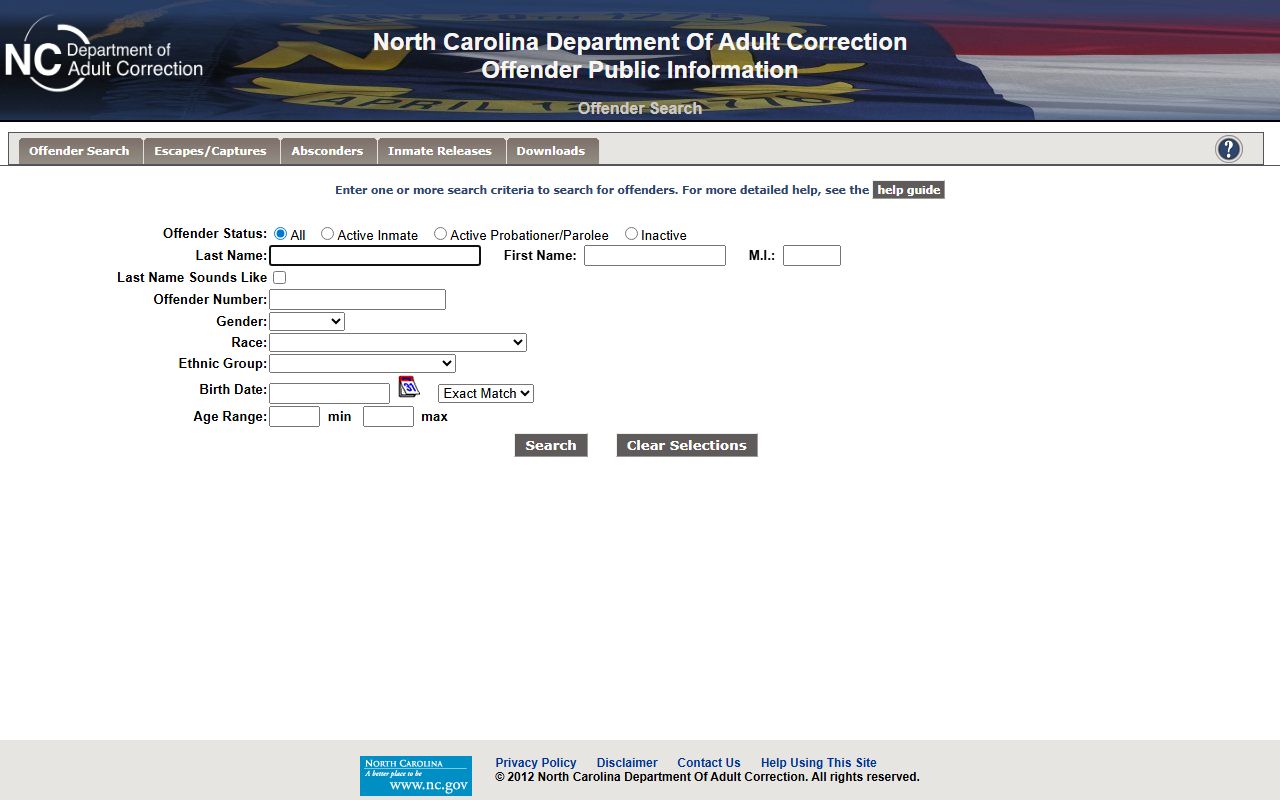
The NC Department of Adult Correction runs a free offender search tool. This tool covers state prison inmates, probationers, and parolees going back to 1972. It does not include county jail records. You can search by name or offender ID. The results show current location, release date, offense history, and sentence length. A mugshot is shown when one is on file. North Carolina police records at the state level also include the NC Sex Offender Registry, which lets you search by name, address, or zip code for free.
The NC SAVAN system gives victims free alerts about changes in an offender's custody status. You can sign up for phone, email, or text alerts. This covers county jail inmates, state prisoners, and sex offenders. Call 877-627-2826 to register for NC SAVAN in North Carolina.
Police Records and North Carolina Law
North Carolina public records law gives you the right to see police records held by any government office. Under N.C.G.S. Chapter 132, public records include "all documents, papers, letters, maps, books, photographs, films, sound recordings" and more, no matter the form. You do not need to give your name or a reason when you ask to see police records. The law says records must be shared "as promptly as possible." Fees for copies are capped at the real cost of making them.
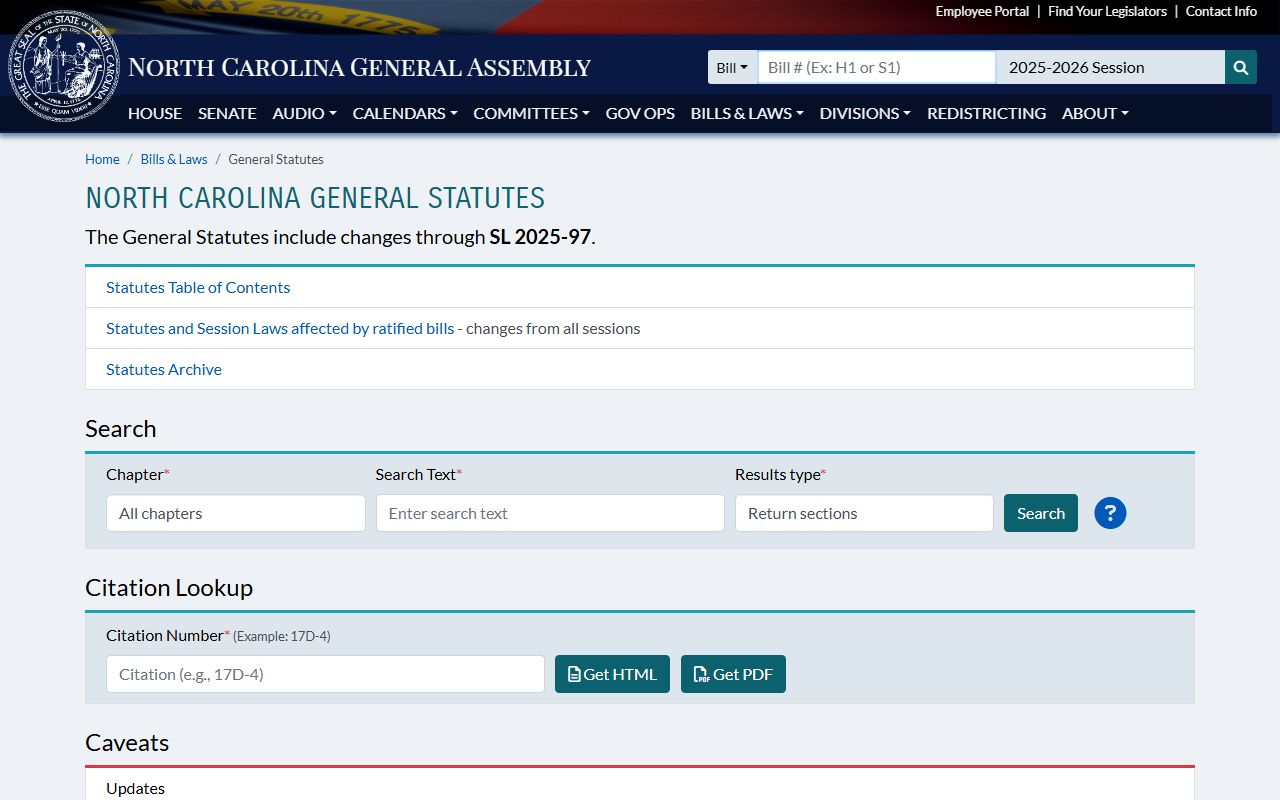
Some police records have limits on access. Under N.C.G.S. 132-1.4, records of active criminal investigations are not public. But basic arrest facts are always public. This includes the date, time, and place of arrest, the name and age of the person, the charges, and details like whether there was a chase or weapons. Body camera and dash cam footage requires a court order for release under N.C.G.S. 132-1.4A. The agency has three business days to respond to a request for these recordings. If denied, you can ask a Superior Court judge to order the release of the police records.
Juvenile records are sealed under N.C.G.S. 7B-3000. Expunged records will not show up in any search. North Carolina law allows expunction for first-time nonviolent offenses, dismissed charges, and certain drug crimes committed under age 22.
Search Police Records Through NC Courts
The NC Judicial Branch gives free access to criminal case data across all 100 counties. You can look up cases by name or case number. The eCourts portal shows case status, court dates, and disposition. Each county Clerk of Superior Court keeps local criminal files. You can view records at a public terminal in any courthouse for free.
A certified statewide criminal record check uses Form AOC-CR-314. The fee is $25. You can submit this form to any Clerk of Superior Court in North Carolina. Results show convictions from all 100 counties. The check does not include arrests without convictions or out-of-state records. Processing takes 3 to 10 business days depending on the county. You can also request court records online through the NC Courts website.
Note: Self-service terminals at most courthouses let you search, view, or email criminal records at no cost in North Carolina.
County Sheriff Police Records in North Carolina
Each of the 100 counties in North Carolina has a sheriff's office that keeps its own police records. These include arrest reports, booking logs, inmate rosters, and incident reports. Many sheriff offices now run Police to Citizen portals where you can search records for free online. Counties like Buncombe, Clay, Cleveland, Guilford, Iredell, and Wake all offer P2C portals. These sites let you look up current inmates, view daily arrest bulletins, and download reports from your phone or computer.
To get copies of police records from a county sheriff, you can visit the records division in person, call, or send a written request. Bring a valid photo ID. Most offices are open Monday through Friday, 8:00 AM to 5:00 PM. Fees depend on the record type. Viewing records in person is free under North Carolina law. Copies cost a small fee based on the actual cost to make them. Some sheriff offices accept email requests for police records.
For current jail inmates, check the sheriff's website or call the detention center. Many counties post daily rosters online. If the county does not have an online tool, the NC DAC Offender Search covers state-level inmates. County jails are not in the state system, so you must check locally for those police records.
How to Request North Carolina Police Records
Getting police records in North Carolina depends on what you need and which agency has it. Here are the main ways to search and request records across the state.
For arrest records and booking reports, contact the sheriff's office or police department that made the arrest. You will need the full name of the person, the date of birth or age, and the date or rough date of arrest. Many agencies have online request forms. Some accept walk-in requests at the records window. Written requests should include your contact info and a copy of your ID. Allow 5 to 10 business days for most police records requests in North Carolina.
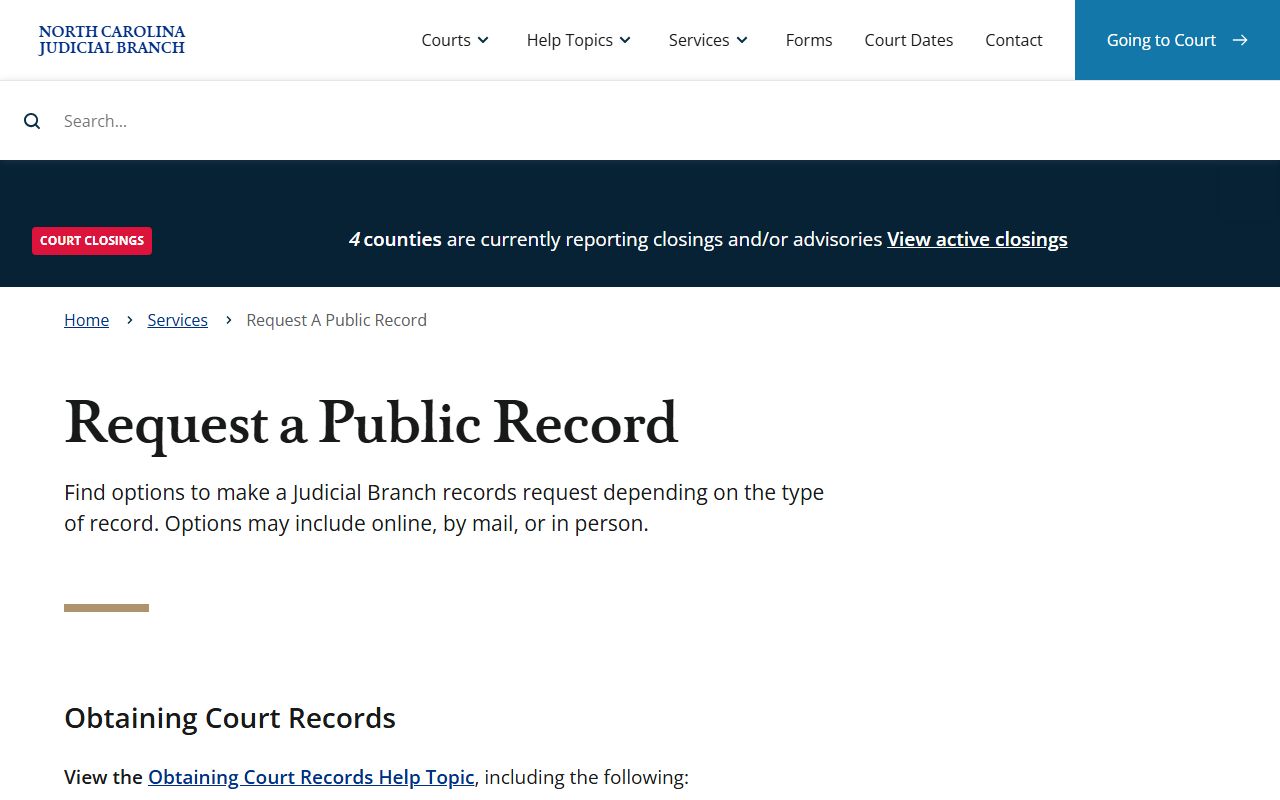
For criminal case records, go to the Clerk of Superior Court in the county where the case was filed. The clerk keeps all court files. You can search at a public terminal for free or ask staff for help. Certified copies cost $25 per name using Form AOC-CR-314. This covers all convictions statewide. Plain copies cost less. The NC Courts records request page explains how to submit requests online or by mail for police records.
- Arrest records: contact the arresting agency directly
- Court records: visit or contact the Clerk of Superior Court
- State inmate records: use the NC DAC offender search tool
- Background checks: submit fingerprints to the NC SBI for $14
- Sex offender data: search the NC Sex Offender Registry for free
North Carolina police records for incident reports and accident reports are kept by the agency that responded to the call. If a city police department took the report, you request it from that department. If the sheriff handled it, go to the sheriff's office. Most agencies charge a small fee for copies of police records.
North Carolina Sex Offender Registry
The NC Sex Offender Registry is free and open to everyone. The SBI runs it. You can search by name, address, city, county, or zip code. Each listing shows a photo, physical description, offense, address, and vehicle information. The registry also shows whether the offender is in compliance with registration rules.
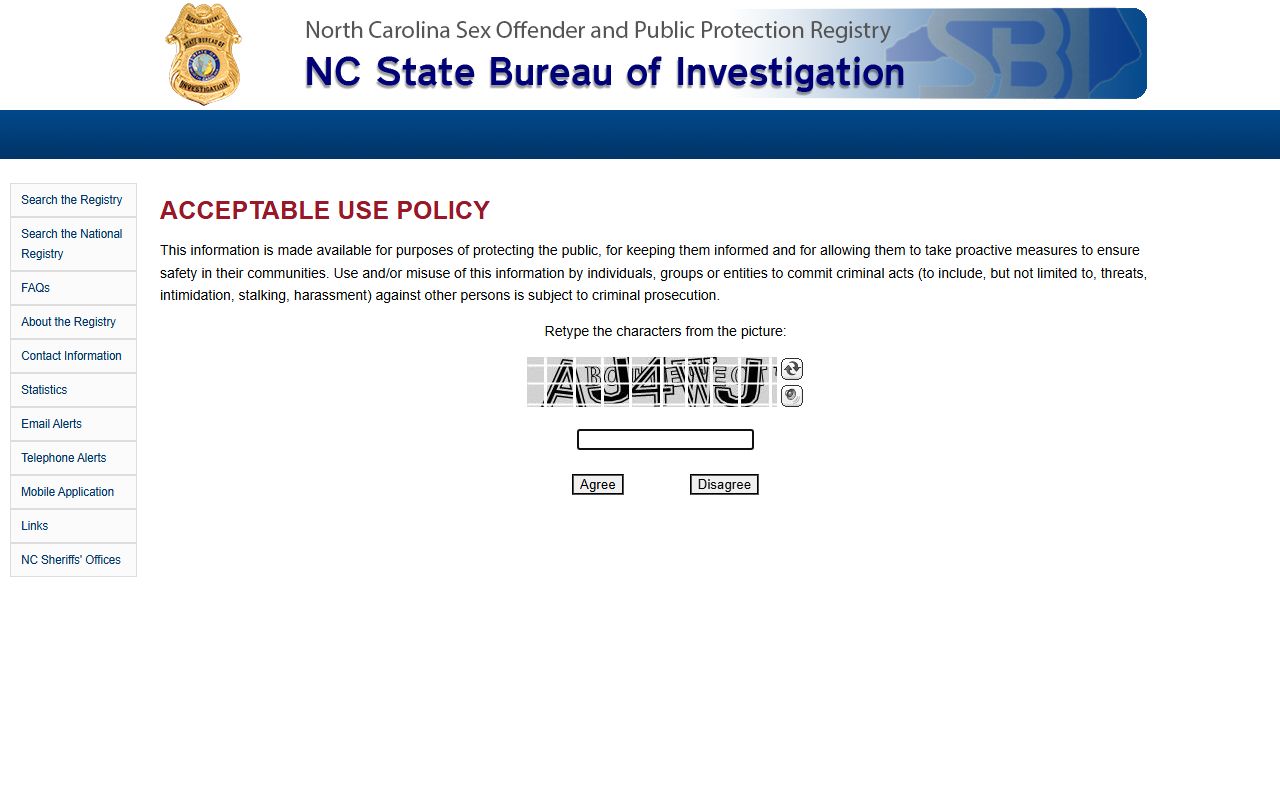
You can sign up for email alerts when an offender moves near an address you pick. A mobile app is also available. Offenders must register within 3 days of setting up a new home. Out-of-state offenders who move to North Carolina must register too. Special rules apply to offenders who attend schools or colleges. The registry is one of the most used police records tools in North Carolina.
Expunged Police Records in North Carolina
North Carolina allows certain police records to be erased through expunction. Once a record is expunged, it will not appear in any search. The person is restored to the status they had before the offense under N.C.G.S. 15A-149. Several statutes cover different situations for expunction of police records in North Carolina.
N.C.G.S. 15A-145 covers first-time nonviolent offenses committed by people under age 22. N.C.G.S. 15A-145.5 covers certain older nonviolent felonies and misdemeanors. N.C.G.S. 15A-146 allows expunction when charges are dismissed or the person is found not guilty. Trafficking victims may qualify under N.C.G.S. 15A-145.6 for prostitution charges. Each type has its own rules and waiting period. Talk to a lawyer or legal aid group to find out if you qualify for expunction of your police records in North Carolina.
Browse North Carolina Police Records by County
Each county in North Carolina has a sheriff's office and detention center that keeps police records. Pick a county below to find local resources for arrest records, inmate searches, and criminal case lookups.
Police Records in Major North Carolina Cities
Major cities in North Carolina run their own police departments with separate records divisions. Pick a city to find local police records resources, P2C portals, and request instructions.